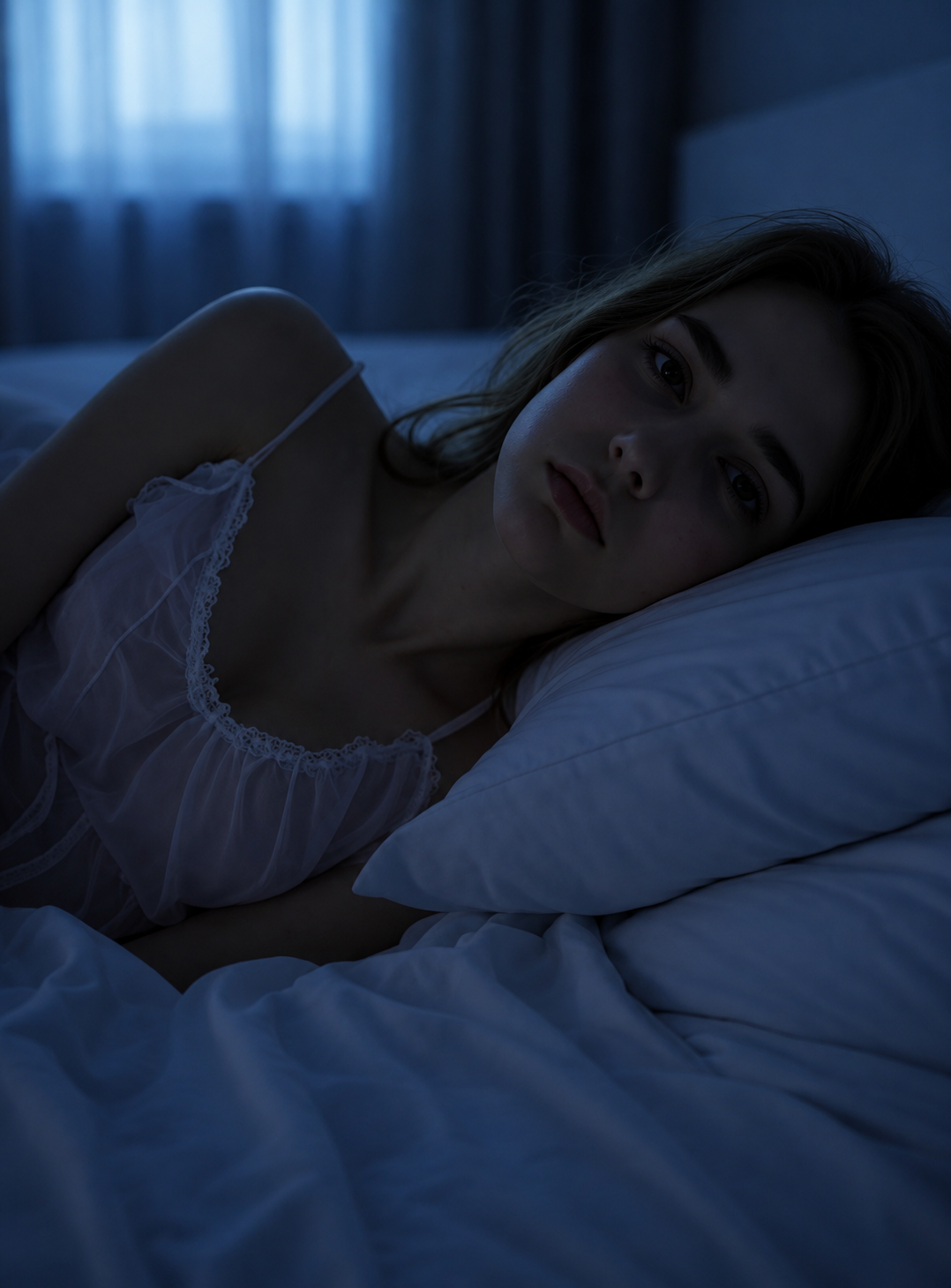
Why you feel worse at night
A lot of people notice their emotions feel heavier at night.
Thoughts become louder.
Anxiety increases.
Overthinking spirals.
Loneliness feels stronger.
Everything suddenly feels harder to manage emotionally.
During the day, there are often distractions:
work
parenting
conversations
routines
responsibilities
noise
constant movement
But at night, when things finally slow down, many people are left alone with everything they’ve been trying to push aside all day.
And that’s often when overwhelm catches up.
Anxiety often gets louder when things go quiet
Many people spend the day functioning on autopilot.
They keep moving.
Keep coping.
Keep getting things done.
But once the distractions disappear, anxious thoughts often have more room to surface.
People may suddenly find themselves:
replaying conversations
worrying about the future
thinking about worst-case scenarios
overanalysing relationships
feeling emotionally overwhelmed
struggling to calm their mind
And because the environment is quieter at night, those thoughts can feel much bigger and harder to escape.
For many people, nights feel emotionally exposing.
Why the nervous system struggles more at night
When someone has been emotionally overloaded for a long time, the nervous system often remains in a heightened state throughout the day.
Many people don’t fully notice this while they’re busy.
But once the body slows down at night, the nervous system can suddenly release all the tension that has been building underneath the surface.
This can look like:
racing thoughts
chest tightness
restlessness
emotional spiralling
increased anxiety
difficulty sleeping
feeling emotionally flooded
Some people describe it as:
“The moment I lie down, my brain starts.”
Others say:
“I can distract myself during the day, but at night everything hits me.”
Emotional exhaustion often feels stronger at night
Night-time can also amplify emotional exhaustion.
When someone has spent all day:
emotionally regulating
caring for others
managing stress
masking overwhelm
carrying mental load
pushing through exhaustion
their emotional capacity is often depleted by evening.
Which means even small worries can suddenly feel enormous.
This is especially common for:
overwhelmed mothers
anxious thinkers
emotionally exhausted people
people experiencing relationship stress
people carrying invisible mental load
By night-time, many people simply have less emotional energy left to keep coping.
Why lonely feelings often become stronger at night
Many people also notice feelings of loneliness or emotional disconnection become stronger in the evenings.
Especially when:
relationships feel strained
they feel emotionally unsupported
they’ve been holding everything in
they don’t feel understood
they’ve spent long periods coping alone
At night, there are fewer distractions from those feelings.
And sometimes people begin wondering:
“Why do I feel like this?”
“Why can’t I calm down?”
“Why does everything feel heavier at night?”
Often, it’s not because something is “wrong” with them.
It’s because emotional overwhelm has been building quietly for a long time without enough support, regulation or space to process it.
Poor sleep and anxiety can quickly feed each other
Once anxiety begins affecting sleep, people often enter a cycle where:
stress increases overthinking
overthinking disrupts sleep
poor sleep increases emotional sensitivity
emotional sensitivity worsens anxiety
Over time, this can leave people feeling:
emotionally fragile
mentally exhausted
constantly overwhelmed
unable to properly switch off
And many people become frustrated with themselves because they feel like they “should” be able to calm down.
But anxiety is not something people simply choose.
Often, it’s the nervous system signalling that it has been under pressure for too long.
Counselling can help reduce emotional overwhelm
Counselling can help people better understand:
why their anxiety feels louder at night
what emotional pressures may be contributing
how overthinking patterns develop
how nervous system overwhelm affects emotions
ways to create greater emotional regulation and calm
At Townsville Counselling & Wellness, counselling is approached in a calm, supportive and non-clinical way.
Support is available for:
emotional overwhelm
stress and burnout
emotional wellbeing support
Services include:
The focus is not on judgement or telling people to simply “stop worrying.”
It’s about helping people feel more emotionally supported, regulated and less alone in what they’re carrying.
You are not weak for struggling at night
Many emotionally overwhelmed people feel frustrated by how hard evenings can become.
But struggling at night does not mean you are weak, dramatic or failing.
Often it simply means your mind and nervous system have been carrying too much for too long without enough rest or emotional support.
And you do not have to keep carrying that alone.
Frequently Asked Questions
Why does anxiety feel worse at night?
Anxiety can feel stronger at night because there are fewer distractions and the nervous system finally has space to process built-up stress and emotions.
Can overthinking affect sleep?
Yes. Overthinking and anxiety can make it difficult to fall asleep, stay asleep or fully relax mentally at night.
Can counselling help with night-time anxiety?
Yes. Counselling can help people better understand anxiety patterns, emotional overwhelm and ways to create more emotional regulation and calm.
Does Townsville Counselling & Wellness offer online counselling for anxiety support?
Yes. Online counselling is available Australia-wide through Townsville Counselling & Wellness.